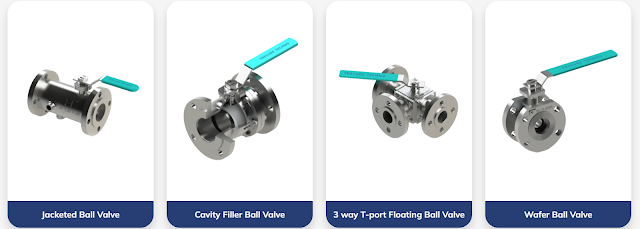
Showing posts with label Freture Techno. Show all posts

Tuesday, 26 May 2026

Precision Flow Control: The Ultimate Guide to Industrial Ball Valves

Ball valves are the most widely used quarter-turn components in modern fluid mechanics. They utilize a rotating spherical disc with a bored-out center (the ball) to control the flow of liquids, gases, and slurries. When the hole aligns with the pipeline, the valve is fully open. A 90-degree rotation turns the ball perpendicular to the flow, creating a positive, bubble-tight shut-off. This straightforward mechanism makes them indispensable across municipal, commercial, and heavy industrial systems.

The Core Advantages of Ball Valves
Industrial piping systems rely on ball valves due to several distinct operational benefits:
  • Fast Quarter-Turn Operation: Opening or closing requires a simple 90-degree turn, allowing for rapid isolation during emergencies.
  • High Flow Efficiency: Full-port configurations offer an unobstructed flow path, minimizing turbulence and friction-induced pressure drops.
  • Exceptional Sealing: Advanced polymer or metal seats provide tight closing capabilities, even under high pressures or vacuum conditions.
  • Low Maintenance Requirements: Their compact, robust architecture resists wear, reducing the total cost of ownership compared to complex gate or globe valves.
Primary Types and Configurations
Ball valves are categorized by their mechanical design, body construction, and port sizes to fit specific application requirements.
1. Floating vs. Trunnion-Mounted Designs
  • Floating Ball Valves: The ball is suspended in the fluid and held in place by two elastomeric seats. System pressure pushes the ball against the downstream seat, creating a tight seal. This design is highly cost-effective for low-to-medium pressure applications.
  • Trunnion-Mounted Ball Valves: The ball is anchored at the top and bottom by a mechanical pivot (the trunnion). The seats are spring-loaded and pressed against the ball by fluid pressure. This configuration is essential for high-pressure, large-diameter pipelines, as it prevents the ball from shifting and lowering operating torque.
2. Body Construction Variations
  • One-Piece: Features a solid, welded, or cast body with a reduced port design. It eliminates potential leak paths but cannot be repaired or serviced online.
  • Two-Piece: Consists of a main body and a single end connection. It allows for a full-port design and is widely used across general commercial applications.
  • Three-Piece: Constructed with a main center body and two bolt-on end caps. This layout allows maintenance teams to swing the center portion out of the pipeline to replace seats and seals without cutting or unbolting the surrounding pipes.
3. Port Styles
  • Full Port (Full Bore): The internal diameter of the ball matches the pipe size exactly. This minimizes pressure drop and allows for "pigging" (running mechanical cleaning devices through the pipeline).
  • Reduced Port (Standard Bore): The opening in the ball is smaller than the pipe diameter, restricting flow. These valves are smaller, lighter, and more economical for systems where slight pressure drops do not impact performance.
Material Selection Criteria
The operating lifespan of a ball valve depends heavily on pairing the fluid chemistry with compatible body, ball, and seat materials.
Body and Ball Metallurgy
  • Carbon Steel (WCB/A105): Standard choice for high-pressure oil, gas, and utility steam infrastructure.
  • Stainless Steel (CF8M/316): Provides excellent corrosion resistance for chemical processing, food handling, and pharmaceutical systems.
  • Brass/Bronze: Highly reliable for low-pressure water distribution, compressed air, and residential plumbing.
Seat Materials
  • Soft Seats (PTFE/TFM): Provide exceptional chemical inertness and bubble-tight sealing from cryogenic ranges up to 200°C.
  • Metal Seats: Utilize hard-faced overlays like Tungsten Carbide or Stellite. These are mandatory for handling abrasive slurries or high-temperature systems exceeding 400°C where soft polymers would melt.
Conclusion: Securing Pipeline Integrity
Ball valves provide the baseline security required to operate complex, pressurized fluid systems safely. By carefully selecting between floating and trunnion designs, choosing appropriate metallurgy, and matching seat materials to process temperatures, engineers can maximize system runtime. Investing in premium-grade, certified ball valves prevents expensive media loss, safeguards downstream instrumentation, and keeps industrial plants running at peak efficiency.

Thursday, 20 November 2025

Material Selection for Ball Valves: Ensuring Reliability in Pharmaceutical, Petrochemical & High-Purity Environments

Why Material Choice Determines Ball Valve Performance

Selection of materials in ball valves is considered one of the most influential choices when attaining long-term reliability, safety, and compliance with regulating authorities across important industries. Valve performance is directly related to material construction in industries related to pharmaceutical manufacturing, oil and gas, petrochemical refining, fertilizer production, power plants, food processing, and general process industries. Each type of media, pressure, and temperature requires certain engineering criteria; thus, material compatibility is a central focus in mechanical design.

Material Compatibility

The working media inside a pipeline determines how the valve material will behave over its operational life. Chemical reactions, temperature cycling, abrasive particles, and corrosion potential must be assessed with care. Lack of attention to material compatibility often leads to premature wear, leakage, and equipment shutdowns. Thus, a mechanical engineer will first consider the material behavior under real process conditions before specifying a ball valve.

  • Stainless Steel for Clean and High-Purity Applications
  • Grades Used in Pharmaceutical and Food Industries
  • Still nowadays, stainless steel retains its favored position for industries that are hygienic or sterile.
  • SS304 is selected for general utility services due to its balanced corrosion resistance.
  • Therefore, SS316/SS316L is preferred in pharmaceuticals, biotechnology, and food processing due to the added advantage of its molybdenum content, enhancing its pitting resistance against CIP and SIP cycles.
  • The non-reactive surface of stainless steel prevents contamination, a priority in high-purity water systems, injectable product lines, and aseptic manufacturing zones.
  • Carbon Steel and Alloy Steel for High-Pressure Industrial Duties
  • Carbon steel ball valves find a wide application in the oil and gas, petrochemical, fertilizer, and power plant environments. All these applications necessitate mechanical strength, temperature tolerance, and resistance to pressure cycling.
  • ASTM A105 carbon steel generally is used for high-pressure service.
  • For applications involving elevated temperature service, such as steam lines or reformer feeds, the use of low-alloy steels like chromium-molybdenum grades is preferred.
  • In such conditions, the level of corrosion resistance is less important than tensile strength, thermal stability, and long-term fatigue endurance.
  • Exotic Alloys for Aggressive and Corrosive Media
  • In handling corrosive chemicals, conventional materials often show premature failure. Therefore, exotic alloys are deployed in highly aggressive environments.

Typical Alloy Choices


  1. Hastelloy C276 for acid service and oxidizing streams
  2. Monel 400 for seawater and chloride-rich processes
  3. Duplex and Super Duplex for high-strength, corrosion-resistant duties in offshore and petrochemical facilities
  4. Inconel alloys for extreme temperature and pressure conditions

These materials can withstand intense corrosion mechanisms like stress corrosion cracking, pitting, and crevice attack and ensure operational continuity in harsh conditions.

Seat and Seal Materials as Part of Material Selection

Material selection isn't confined to the valve body. Seats, seals, and packing materials all make a vital contribution to performance.

  • Soft Seats
  • Soft seats are usually made from:
  • PTFE (Teflon)
  • Reinforced PTFE
  • PEEK

These are applied in pharmaceutical, food processing, and chemical dosing lines where low torque and clean operation are needed.

Metal Seats

Metal-seated Ball valves are suitable for abrasive, high-temperature, and high-pressure applications. Tungsten carbide or chrome carbide coatings are commonly used to improve hardness and erosion resistance.

Packing materials, usually graphite or PTFE, are selected based on temperature limits and chemical compatibility.

  • Material Choice Factors
  • Key Engineering Considerations
  • Corrosion resistance based on media and environment
  • Temperature stability under steady or cycling conditions
  • Pressure class requirements based on system design
  • Mechanical strength for shock loads and vibration

Regulatory and hygiene standards, particularly in pharmaceutical and food industries

Cost-to-performance ratio for long-term operational efficiency Each of the factors contributes to the overall reliability of the ball valve for safe plant operations. Conclusion Material selection for ball valves remains a critical engineering decision that considerably influences performance, safety, and service life. Whether stainless steel is applied in high-purity pharmaceutical lines, carbon steel in high-pressure petrochemical streams, or exotic alloys in corrosive chemical loops, each choice has to do with process requirements. By carefully considering media characteristics, temperature conditions, and regulatory requirements, mechanical engineers ensure that ball valves provide reliable operation in industries related to pharmaceuticals, petrochemicals, oil and gas, fertilizers, power generation, food, and processes in general.

Sunday, 22 June 2025

Understanding Ball Valves: Function, Benefits, and Applications

In fluid control systems, the Ball valve stands out as one of the most versatile and widely used valve types in industrial, commercial, and residential settings. Known for its robust design, ease of operation, and reliable shutoff capabilities, the ball valve has become indispensable in numerous industries—from oil and gas to pharmaceuticals and food processing.

What Is a Ball Valve?

A ball valve is a type of quarter-turn valve that uses a hollow, perforated, and pivoting ball to control the flow of liquids or gases. When the valve is open, the hole in the ball aligns with the flow direction, allowing fluid to pass through. Turning the valve handle 90 degrees rotates the ball, effectively blocking the flow in the closed position.

Due to this simple mechanism, ball valves are favored for their quick operation, minimal maintenance requirements, and tight sealing even after long periods of disuse.


Key Components and Working Principle

Ball valves typically consist of the following key components:

  • Valve body: Houses the internal components and provides structural integrity.

  • Ball: The main element that controls flow.

  • Seats: Sealing surfaces that hold the ball in place and ensure leak-tight performance.

  • Stem: Connects the ball to the handle and enables rotation.

  • Handle or actuator: Used to operate the valve manually or automatically.

The operation is straightforward—turn the handle one-quarter turn (90 degrees) to open or close the valve. This simplicity is a major advantage in applications that require frequent switching.

Advantages of Ball Valves

Ball valves offer several distinct benefits:

  • Tight Sealing: Thanks to the soft seats and precise ball design, they offer excellent sealing even under high-pressure conditions.

  • Durability: Designed to handle high pressures, temperatures, and aggressive fluids.

  • Fast Operation: Quick shutoff with a simple 90-degree turn.

  • Low Maintenance: Fewer moving parts reduce wear and tear, making them ideal for long-term use.

  • Versatility: Suitable for gases, liquids, and slurries.

These features make ball valves a cost-effective and reliable choice for critical and non-critical flow control needs.

Types of Ball Valves

Several types of ball valves cater to different applications and environments:

  1. Floating Ball Valve: The ball is suspended in the fluid and pushed against the seat by pressure. Ideal for lower-pressure systems.

  2. Trunnion-Mounted Ball Valve: The ball is fixed at both ends, making it suitable for high-pressure and large-diameter applications.

  3. Full Port Ball Valve: Has a bore equal to the pipeline diameter, minimizing pressure drop.

  4. Reduced Port Ball Valve: Features a smaller bore, which is more cost-effective and compact.

  5. V-Port Ball Valve: Designed for flow control with a V-shaped ball or seat, offering more precise regulation.

  6. Multi-Port Ball Valve (3-way or 4-way): Allows for flow diversion, mixing, or distribution in complex piping networks.

Common Applications of Ball Valves


Ball valves are used in a broad spectrum of industries due to their durability and adaptability:

1. Oil and Gas Industry

Ball valves are essential for upstream, midstream, and downstream operations, handling everything from crude oil to natural gas with high-pressure resistance and corrosion protection.

2. Water and Wastewater Treatment

They control the flow of clean or contaminated water and chemical dosing, providing reliability in harsh environments.

3. Chemical and Petrochemical Plants

Ball valves are preferred for aggressive fluids, thanks to their material compatibility and robust sealing.

4. Food and Beverage Industry

Sanitary ball valves made from stainless steel are used to maintain hygiene and ensure contamination-free processing.

5. HVAC and Building Services

Ball valves regulate water flow in heating and cooling systems and are commonly used in plumbing applications for isolation purposes.

6. Pharmaceuticals

Ball valves help maintain sterile environments and ensure precise fluid control, especially in clean-in-place (CIP) and sterilize-in-place (SIP) systems.

Materials and Design Considerations

Ball valves are available in various materials to suit different service conditions:

  • Stainless Steel: Corrosion-resistant and ideal for hygienic and aggressive environments.

  • Carbon Steel: Economical and strong, used in oil and gas.

  • Brass: Common in residential and light industrial applications.

  • PVC and Plastic: Lightweight, corrosion-resistant, and suitable for water systems and chemical handling.

The valve’s design—whether two-piece, three-piece, or flanged—also impacts maintenance, performance, and installation needs.

Automation and Smart Control

Modern ball valves can be equipped with actuators (electric, pneumatic, or hydraulic) and integrated into automation systems. This allows for remote operation, real-time monitoring, and improved process control in large facilities. Smart ball valves are becoming increasingly popular in industries embracing Industry 4.0 and IoT-based monitoring.

Conclusion

Ball valves are a cornerstone of fluid control systems, valued for their efficiency, reliability, and flexibility. From basic plumbing to complex industrial automation, these valves deliver consistent performance in a wide array of applications. Whether it’s managing high-pressure gas in a refinery or ensuring hygiene in a food processing unit, the ball valve remains an indispensable component.

By understanding its design, capabilities, and appropriate applications, industries can ensure greater safety, better performance, and longer equipment lifespan through the use of ball valves.

Tuesday, 4 March 2025

Understanding Ball Valves: Their Role in the Pharmaceutical Industry

Ball valves have been recognized as critical components in many industrial processes, and it has been confirmed that their role in the pharmaceutical industry is of particular significance. Their reliability, precision, and ease of maintenance have been cited as key advantages when used in settings where cleanliness, accuracy, and safety are paramount. This article provides a detailed exploration of these valves, focusing on their design, operational mechanism, and application in pharmaceutical manufacturing.

Overview

The valves are engineered with a spherical closure unit that contains a central bore. It has been established that when the valve is rotated, the ball aligns with the flow path to allow fluid passage or rotates to block it completely. The inherent design has been proven to offer full-bore flow, which minimizes turbulence and ensures that the flow remains smooth and controlled. Materials that are resistant to corrosion and chemical reactions are typically employed, and it has been noted that such choices are essential when the valves are destined for use in the pharmaceutical sector. The construction of ball valves is therefore adapted to meet the strict hygiene and operational standards that are required by the industry.

Operation and Mechanism

The operational principle of these valves is regarded as both simple and effective. It has been confirmed that the valve is actuated by rotating a lever or handle that turns the internal ball. When the handle is positioned so that the ball’s opening aligns with the pipeline, fluid is permitted to flow through with minimal resistance. It has been observed that when the ball is rotated by ninety degrees, the flow is fully obstructed, thereby ensuring an immediate stop. This quick shut-off capability has been highlighted as essential in processes where precision is critical. Additionally, the sealing properties of the valve are maintained by the use of robust, typically elastomeric, seats, ensuring that even under variable pressure conditions, contamination risks are minimized.

Application in the Pharmaceutical Industry

A prominent application of ball valves has been identified in the pharmaceutical industry. It has been determined that ball valves are employed extensively within pharmaceutical manufacturing to regulate the flow of fluids, including solvents, active pharmaceutical ingredients (APIs), and other chemical compounds. The valves are installed in production lines where stringent control over process conditions is required, and it has been confirmed that their use assists in maintaining product quality and safety.

In pharmaceutical processes, the flow control achieved by these valves is considered essential during the formulation and purification stages. It has been verified that these valves allow precise adjustments of fluid flow, which is critical during batch processing and in continuous production systems. The valves are used to ensure that liquids are transferred accurately between reactors, filtration units, and storage vessels. It has been observed that, because contamination can have severe consequences in pharmaceutical production, the choice of Ball valves that meet strict sanitary standards has been advised. Consequently, materials that comply with FDA and cGMP guidelines are often selected, thereby guaranteeing that the valves are suitable for use in environments that demand a high level of cleanliness and reliability.

Advantages of these Valves in Pharmaceutical Applications

The benefits of employing these valves in the pharmaceutical industry have been widely acknowledged. It has been confirmed that the rapid response of these valves is critical in processes where the accurate control of fluid flow must be ensured, particularly during emergency shutdowns or when process deviations occur. Additionally, the valves have been observed to provide a full-bore design that reduces pressure drops and minimizes product wastage. This design is particularly beneficial when dealing with high-value compounds where precision and economy are required.

It has also been established that these valves offer ease of maintenance due to their relatively simple internal structure. Periodic inspections have been noted to be straightforward, and maintenance procedures have been streamlined as a result. The durability and resistance to wear have been cited as contributing factors to a reduced lifecycle cost, which is a critical consideration in the high-stakes environment of pharmaceutical production.

Maintenance and Safety Considerations

Maintenance practices for these valves have been developed to ensure their long-term performance in the demanding conditions of pharmaceutical manufacturing. It has been recommended that routine inspections be scheduled to assess the integrity of the seals and to check for any signs of wear or contamination. When necessary, components have been replaced to maintain the valve’s efficiency and prevent any compromise in the production process.

Safety standards have been rigorously applied to the use of these valves in the pharmaceutical industry. It has been ensured that installation and maintenance procedures adhere to the strict guidelines imposed by regulatory authorities. The valves are expected to operate flawlessly under varying temperature and pressure conditions, thereby contributing to the overall safety and reliability of the manufacturing process. It has been mandated that personnel be properly trained in handling and troubleshooting these valves, thereby minimizing the risk of operational errors that could lead to contamination or process disruption.

In summary, the role of these valves in the pharmaceutical industry has been validated by their superior performance in controlling fluid flow. Their design, characterized by a simple yet effective mechanism, has been optimized to meet the stringent demands of pharmaceutical manufacturing. It has been confirmed that the durability, precision, and ease of maintenance of these valves render them indispensable in applications where product integrity and operational safety are of utmost importance. As the industry continues to evolve, it is expected that the technology behind Ball Valves will further advance, thereby enhancing their contributions to efficiency, safety, and regulatory compliance in pharmaceutical production. 

Thursday, 9 January 2025

Optimizing Oil and Gas Operations-The Crucial Role of Ball Valves in Upstream and Downstream Processes

The oil and gas industry is characterized by complex operations and the necessity for reliable equipment that can perform under extreme conditions. Within this context, These valves have been recognized as one of the most vital components. Their unique design and functionality render them indispensable in both upstream and downstream processes. This article will explore how these valves are utilized throughout the oil and gas sector, their advantages, and their impact on operational efficiency.

Understanding Ball Valves

They are designed to control the flow of fluids in a pipeline. They are composed of a spherical disc—the ball—which regulates flow through an opening in the valve body. When the valve handle is turned, the ball rotates, allowing or blocking flow. Their robust construction and simple operation make them popular in the oil and gas industry, where durability and reliability are paramount.

Ball Valves in Upstream Processes

In upstream operations, which encompass exploration and production, They are employed extensively. Oil and gas exploration involves the drilling of wells, and during this critical phase, the control of fluid flow is essential. They are used in wellheads and separators. In wellheads, they facilitate the controlled release of hydrocarbons, ensuring that pressure is maintained and managed safely. This is crucial for safe drilling operations, as uncontrolled flow can lead to hazardous blowouts.

In separators, they play a key role in distinguishing between oil, gas, and water extracted from the well. By controlling the flow rates effectively, these valves help in optimizing the separation process, ensuring maximum yield and purity of extracted products. Furthermore, they are often paired with automation systems that enable remote monitoring and operation, enhancing safety and efficiency during extraction.

Ball Valves in Upstream Processes

After the extraction phase, the focus shifts to refining and distribution, known as downstream operations. Here, these valves continue to prove their value. In refineries, where crude oil is processed into usable products, these valves are utilized in various applications including fluid handling, chemical processing, and thermal regulation.

The refining process can involve harsh environments with varying temperatures and pressures. Built with materials that can resist these conditions, the valves ensure the smooth operation of refinery processes. Their tight sealing capability is particularly important in preventing leaks of volatile substances, thereby increasing safety and minimizing environmental impact.

Additionally, These valves facilitate the transport of refined products through pipelines. When transferring fuels, lubricants, and chemicals, the efficiency of flow control becomes essential. It can be opened and closed quickly, allowing for precise control over the amount of product being transported. This dynamic flow control is vital for maintaining system integrity and operational efficiency.

Ball Valve Manufacturer in India

Advantages

Several advantages contribute to the popularity of these valves in the oil and gas industry. One of the foremost benefits is their high durability. They are constructed to withstand extreme conditions, including high pressures, corrosive materials, and varying temperatures. This durability translates to longer service life and reduced maintenance costs

Another significant advantage is the reliability of Ball valves. Due to their simple design, they are less prone to failure compared to other valve types. This reliability is particularly important in the oil and gas sector, where the consequences of valve failure can lead to serious safety risks and financial losses.

Moreover, these valves provide quick operation. With a quarter-turn mechanism, they can be activated swiftly, enabling rapid response to changing flow conditions. This feature is especially beneficial in emergency situations where immediate action is required to contain leaks or prevent accidents.

Innovations and Future Outlook

As the oil and gas industry continues to evolve, so do the technologies surrounding Ball valves. Recent innovations have focused on developing smarter, more efficient valves that cater to modern industry demands. For instance, advancements in materials science have led to the creation of corrosion-resistant coatings, enhancing the longevity of these valves in even the harshest environments.

Moreover, the integration of digital technologies has transformed the valve operation. Smart Ball valves equipped with sensors now allow for real-time data monitoring and remote operation capabilities. This provides operators with insights into valve performance, enabling predictive maintenance and reducing downtime.

The future of Ball valves in the oil and gas industry appears promising, with ongoing research and development aimed at enhancing their functionality. As the push for more sustainable practices increases, innovations focusing on energy efficiency and reduced environmental impact are prioritized.

In summary, the critical role of Ball valves in the oil and gas industry cannot be overstated. Their versatility and reliability make them essential in both upstream and downstream processes, directly contributing to operational efficiency and safety. With ongoing advancements in technology, the effectiveness of Ball valves is expected to improve further, reinforcing their position as a cornerstone of the oil and gas sector. As industries continue to seek safer and more efficient operations, Thel valves will remain a fundamental element of petroleum engineering, ensuring that the energy demands of the future are met sustainably and reliably.


Wednesday, 4 December 2024

Floating Ball Valves in Industrial Fluid Control

In industries where fluid control is critical to operational safety and efficiency, floating ball valves are commonly used for their simplicity and effective sealing properties. These valves are particularly useful for regulating the flow of liquids or gases and are a vital part of various industrial applications, ranging from oil and gas to water treatment. Their unique design allows for seamless integration into fluid systems that demand reliable on/off control with minimal leakage.

What Sets Floating Ball Valves Apart?

These Ball valve is a type of ball valve where the ball is not fixed at both ends. Unlike trunnion ball valves, which have the ball secured at two points, the ball in a floating valve "floats" freely within the valve cavity. This means the ball is only held in place by the pressure exerted by the fluid in the pipeline. The advantage of this design is that it allows for a reliable seal under moderate pressure conditions.

They are typically used in applications where the flow of fluid needs to be turned on or off quickly and efficiently. When the valve is closed, the ball rotates 90 degrees to block the fluid flow, creating a leak-tight seal. This makes them ideal for both high-flow and low-pressure systems.

How Floating Ball Valves Operate

The operation of these ball valves is straightforward. The ball valve consists of a spherical ball housed inside a valve body. When the valve handle is rotated, the ball turns, aligning or misaligning the flow path. In the open position, the flow path is clear, allowing the fluid to pass through. As the valve is closed, the ball rotates 90 degrees and presses against the valve seats, preventing any further fluid flow. The ball’s "floating" nature ensures that it adjusts based on the fluid pressure, providing a reliable and efficient sealing mechanism.

One of the key advantages of this design is the low cost of construction. Since the ball is only supported by the pressure of the fluid, there is less complexity involved compared to other types of ball valves.

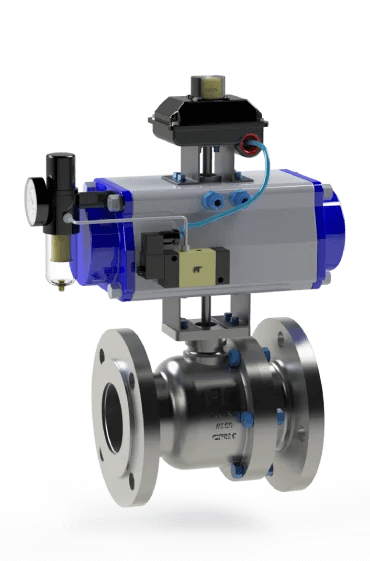
Pneumatically Actuated Floating Ball Valve

Applications 

They are widely used across several industries, where fluid control is essential. Some of the most common applications include:

  1. Oil and Gas Industry: These valves play a critical role in regulating the flow of oil, natural gas, and other fluids. They are essential in both upstream and downstream operations where tight seals and the ability to handle high pressures are needed.

  2. Water Treatment Systems: In water treatment plants, they are used to regulate the flow of water throughout various stages of the treatment process, including filtration, chemical dosing, and distribution. Their durability and reliability make them a preferred choice for such applications.

  3. Chemical Processing: For the chemical industry, which often deals with hazardous substances, these valves help manage the flow of corrosive chemicals, ensuring safety and preventing leaks.

  4. Food and Beverage Manufacturing: In food and beverage industries, where hygiene standards are paramount, these valves are designed with easy-to-clean surfaces, ensuring contamination-free operations.

  5. HVAC Systems: In HVAC (heating, ventilation, and air conditioning) systems, they are used to control the flow of water or air for cooling and heating. Their smooth operation and adaptability to various pressures make them suitable for these applications.

Benefits 

  1. Reliable Sealing: They are designed to provide effective sealing even under fluctuating fluid pressure, ensuring a leak-free experience in fluid systems.

  2. Cost-Effectiveness: Their simple design and fewer components make these valves an affordable choice for fluid control, especially in low- to medium-pressure applications.

  3. Reduced Maintenance: Due to their fewer moving parts, these valves require less maintenance than more complex valve systems, ensuring long-term performance with minimal servicing.

  4. Material Variety: These valves are available in different materials such as stainless steel, which makes them adaptable to various types of fluids, including corrosive or high-temperature fluids.

  5. Compact Design: The smaller and lighter design of these valves makes them easier to install and integrate into existing systems, particularly in spaces where room is limited.

Choosing the Right Floating Ball Valve

Consider factors such as:

  1. Pressure and Temperature Ratings: Ensure the valve is suitable for the pressure and temperature conditions of your specific application.

  2. Fluid Compatibility: The valve material should be compatible with the fluids in your system. For corrosive substances, stainless steel valves are a common choice.

  3. Size and Flow Requirements: Choose a valve that matches the required flow rate and size specifications for your system.

  4. Operational Ease: Depending on your needs, consider whether manual or automated control is more appropriate for your application.

Conclusion

They offer effective and reliable fluid control across various industries. Their simple yet efficient design provides a secure flow regulation mechanism, making them ideal for applications in the oil and gas, water treatment, chemical processing, and food manufacturing sectors. By selecting the right Floating Ball Valve based on the specific needs of your system, you can ensure optimal performance and safety.

Monday, 16 September 2024

Float Ball Valves and Their Applications

 A Float Ball Valve is a type of valve that controls the flow of liquids or gases by using a floating ball mechanism. These valves are commonly used in industries where precision flow control is critical, such as oil and gas, water treatment, chemical processing, and more. The floating ball design offers multiple advantages, including ease of operation, reliability, and durability, making it a popular choice among industries requiring efficient fluid management.

In this article, we'll explore the function of float ball valves, their benefits, and the types available in the market, focusing on floating ball valve suppliers and floating ball valve manufacturers in India.

Floating Ball Valve Manufacturers in India

What is a Float Ball Valve?

A float ball valve features a spherical ball that sits in a valve body, which rotates on a horizontal axis to open or close the flow of a liquid or gas. The floating design means that the ball is not fixed in place; instead, it is held between two sealing surfaces. When the valve is in the closed position, the pressure from the fluid pushes the ball into the downstream seat, creating a tight seal to prevent leakage. This floating design allows the valve to offer low-pressure drops, fast shutoff, and ease of operation.

These valves are widely preferred for their ability to handle high temperatures and pressures, offering minimal resistance to flow and a reliable sealing mechanism. They are commonly used in pipelines to control the flow of fluids.

Types of Float Ball Valves

There are various types of float ball valves, each designed for specific applications. Some of the popular types include:

  1. Stainless Steel Floating Ball Valves: Stainless steel float ball valves are highly durable and resistant to corrosion, making them ideal for harsh environments and applications involving aggressive chemicals. The stainless steel material enhances the valve's lifespan and ensures reliability even under extreme conditions. These valves are widely used in industries such as petrochemicals, food processing, and pharmaceuticals.

  2. 1-Inch Floating Ball Valve: The 1-inch floating ball valve is a common size for various applications, offering an ideal balance between compactness and performance. These valves are typically used in smaller pipelines where precise flow control is required. They provide excellent shutoff capabilities, making them suitable for both high-pressure and low-pressure systems.

  3. High-Pressure Floating Ball Valves: These valves are designed to withstand high-pressure applications, making them ideal for industries such as oil and gas. Their robust construction ensures they can operate reliably even under extreme pressure conditions.

Advantages of Floating Ball Valves

  • Versatility: Float ball valves can be used with a wide range of liquids and gases, including water, steam, oil, and chemicals.

  • Leak-Proof Design: The floating ball mechanism ensures a tight seal when the valve is closed, preventing leaks even in high-pressure systems.

  • Durability: With options like stainless steel floating ball valves, these valves offer superior corrosion resistance and long-lasting performance, especially in demanding industrial environments.

  • Ease of Use: The simple design of float ball valves makes them easy to operate, requiring minimal effort to open and close, and they can be easily automated.

  • Low Maintenance: These valves require minimal maintenance, thanks to their sturdy construction and efficient design.

Key Applications of Float Ball Valves

Float ball valves are widely used across various industries for different applications, including:

  • Oil and Gas Industry: Float ball valves are extensively used to control the flow of crude oil, natural gas, and other petrochemical products.

  • Water Treatment: In water treatment plants, these valves help control the flow of water and chemicals during purification processes.

  • Pharmaceuticals: In the pharmaceutical industry, stainless steel floating ball valves are commonly used to handle aggressive chemicals and maintain the purity of fluids.

  • Food and Beverage: These valves play a crucial role in managing the flow of fluids during food and beverage production processes, ensuring hygiene and safety standards.

Finding Reliable Floating Ball Valve Suppliers

When looking for Pneumatically Actuated Floating Ball Valve suppliers, it is crucial to choose a manufacturer that prioritizes quality, precision, and durability. In India, there are several reputable floating ball valve suppliers, including companies specializing in stainless steel floating ball valves and providing custom solutions based on specific industrial needs.

For businesses operating in India, floating ball valve suppliers in India offer a range of options to meet diverse application requirements. These suppliers often provide local support, ensuring quick delivery, easy access to parts, and cost-effective solutions.

Choosing the Right Floating Ball Valve Manufacturer

When selecting a floating ball valve manufacturer, several factors should be considered:

  • Material Quality: Look for manufacturers that use high-quality materials like stainless steel to ensure long-lasting performance and resistance to wear and corrosion.

  • Certification: Ensure the manufacturer complies with international standards, such as ISO and API certifications, to guarantee that the valves meet industry specifications.

  • Customization: Some industries may require custom-designed valves to meet specific needs, so choosing a manufacturer that offers tailored solutions is important.

  • After-Sales Support: Reliable after-sales support, including installation guidance and maintenance services, is a key aspect of choosing the right manufacturer.

Conclusion

Floating ball valves are essential components in various industrial applications due to their efficiency, reliability, and ease of use. When looking for floating ball valve suppliers or floating ball valve manufacturers, it’s important to prioritize quality, material selection, and certification.

For those looking to invest in high-quality float ball valves, consider purchasing from Freture Techno Pvt. Ltd., a leading manufacturer offering durable, reliable, and precision-engineered solutions for all your fluid control needs.

Monday, 29 July 2024

Ball Valves: The Versatile Workhorses of Flow Control

 In the world of industrial fluid control, few components are as ubiquitous and reliable as the ball valve. These simple yet ingenious devices play a crucial role in countless applications, from residential plumbing to complex petrochemical plants. Let's dive into the world of ball valves, exploring their design, functionality, types, and applications.

What is a Ball Valve?

At its core, a ball valve is a quarter-turn rotational motion valve that uses a hollowed-out, perforated sphere (the ball) to control fluid flow. When the valve is open, the hole in the ball aligns with the flow path, allowing fluid to pass through. When closed, the solid part of the ball blocks the path, stopping the flow.

This elegant design offers several advantages:

  1. Quick operation: A 90-degree turn is all it takes to go from fully open to fully closed.
  2. Reliable sealing: The ball's tight fit against the seats provides excellent shut-off capabilities.
  3. Low pressure drop: When fully open, the straight-through design offers minimal resistance to flow.
  4. Durability: The simple mechanism is less prone to wear and tear compared to other valve types.

Anatomy of a Ball Valve

Understanding the components of a ball valve helps appreciate its functionality:

  1. Body: The outer shell that contains the internal parts and connects to the piping system.
  2. Ball: The spherical core with a bore (hole) through its center.
  3. Seats: Soft or metal rings that create a seal between the ball and the body.
  4. Stem: The shaft that connects the ball to the actuator or handle.
  5. Packing: Seals around the stem to prevent leakage.
  6. Handle or Actuator: The external mechanism for rotating the ball.

Types of Ball Valves

Ball valves come in various designs to suit different applications:

  1. Full Port (Full Bore): The bore diameter matches the pipe's inner diameter, offering unrestricted flow and minimal pressure drop. Ideal for applications requiring pigging or where low-pressure loss is critical.
  2. Reduced Port: The bore is smaller than the pipe diameter. While this increases flow resistance, it's often more cost-effective and suitable for many general applications.
  3. V-Port: Features a V-shaped ball or seat, allowing for more precise flow control, making it useful in throttling applications.
  4. Trunnion Mounted: In larger sizes or high-pressure applications, the ball is supported on a trunnion at the top and bottom, reducing operating torque and wear on the seats.
  5. Floating Ball: The ball is not fixed and can float slightly downstream, pressed against the seat by line pressure. This design is common in smaller, lower-pressure valves.
  6. Multiport: Balls with multiple bore configurations allow for complex flow patterns, such as diverting flow between different paths.

Materials and Construction

Ball valves can be manufactured from a wide range of materials to suit various media and operating conditions:

  • Body: Common materials include brass, bronze, cast iron, ductile iron, carbon steel, stainless steel, and various alloys.
  • Ball: Often made of stainless steel, chrome-plated brass, or other corrosion-resistant materials.
  • Seats: PTFE (Teflon) is popular for its chemical resistance and low friction, but other materials like PEEK, nylon, or metal are used in specific applications.
  • Stem: Usually stainless steel or similar corrosion-resistant alloys.

The choice of materials depends on factors such as the nature of the fluid, temperature, pressure, and environmental conditions.

Applications of Ball Valves

The versatility of ball valves makes them suitable for a vast array of applications:

  1. Oil and Gas: Used throughout the extraction, processing, and distribution of petroleum products.
  2. Water Treatment: In municipal water systems and wastewater treatment plants.
  3. Chemical Processing: Handling corrosive or reactive substances in chemical manufacturing.
  4. Power Generation: Controlling steam and water flow in power plants.
  5. HVAC Systems: Regulating flow in heating, cooling, and refrigeration systems.
  6. Food and Beverage: In processing plants where sanitary conditions are crucial.
  7. Pharmaceutical: For precise control in drug manufacturing processes.
  8. Mining: Handling slurries and abrasive materials in mineral processing.
  9. Pulp and Paper: Controlling various fluids in paper production.
  10. Residential Plumbing: As shut-off valves for water supply lines.

Advantages and Limitations

Advantages:

  • Quick and easy operation
  • Excellent sealing capabilities
  • Low maintenance requirements
  • Suitable for a wide range of pressures, temperatures, and media
  • Available in various sizes, from miniature to very large

Limitations:

  • Not ideal for precise flow control (except for specialized designs like V-port)
  • Can be prone to water hammer if closed too quickly
  • May be more expensive than some other valve types for larger sizes
  • Reduced port designs can cause higher pressure drops

Maintenance and Care

While ball valves are known for their reliability, proper maintenance can extend their lifespan and ensure optimal performance:

  1. Regular inspection for signs of wear or leakage
  2. Periodic cycling to prevent seizure, especially for valves that are normally left in one position
  3. Proper lubrication of moving parts as recommended by the manufacturer
  4. Replacement of seats and seals when wear is detected
  5. Careful cleaning to remove any buildup of debris or scale

Choosing the Right Ball Valve

Selecting the appropriate ball valve involves considering several factors:

  • Media: Nature of the fluid (corrosive, abrasive, viscosity, etc.)
  • Operating conditions: Pressure, temperature, flow rate
  • Size and port type: Full bore vs. reduced port
  • Actuation method: Manual, pneumatic, electric, or hydraulic
  • Material compatibility: Both with the media and the environment
  • Regulatory requirements: Especially important in industries like food processing or pharmaceuticals
  • Cost considerations: Initial cost vs. long-term reliability and maintenance

Innovations in Ball Valve Technology

The ball valve industry continues to evolve, with recent innovations focusing on:

  1. Smart valves with integrated sensors and communication capabilities
  2. Advanced sealing technologies for extreme temperatures and pressures
  3. Eco-friendly materials and manufacturing processes
  4. Improved designs for specific applications, such as cryogenic or high-purity services
  5. Enhanced automation and remote operation capabilities

In conclusion, ball valves remain a cornerstone of fluid control across numerous industries due to their simplicity, reliability, and versatility. As technology advances, these humble devices continue to adapt and improve, meeting the ever-changing demands of modern industrial processes. Whether it's in the depths of an oil field or the heart of a cutting-edge pharmaceutical plant, ball valves play a vital role in keeping fluids flowing safely and efficiently.

For those seeking high-quality ball valves for their industrial applications, Freture Techno Pvt. Ltd. stands out as a leading Ball Valve Manufacturer in Mumbai, India. With a commitment to excellence and a deep understanding of industry needs, Freture Techno provides reliable, durable, and innovative ball valve solutions tailored to meet the most demanding requirements across various sectors.

Precision Flow Control: The Ultimate Guide to Industrial Ball Valves

Ball valves are the most widely used quarter-turn components in modern fluid mechanics. They utilize a rotating spherical disc with a bored-...